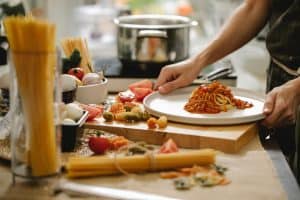
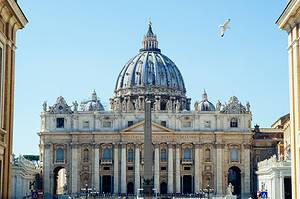
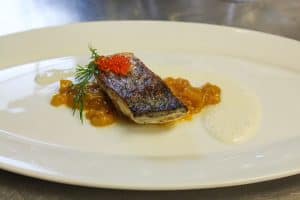
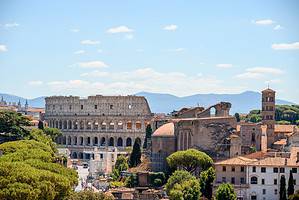
Let’s be honest - when we come to Rome, it’s not just for the fountains, piazzas, and the Colosseum. We come for the food in Rome. And a lot of it. Pasta, pizza, tiramisu, gelato, wine - everything Italy does best.
But where is it actually worth sitting down? How do you avoid tourist traps that charge €15 for microwaved pasta?And how can you spot the places where locals in Rome really eat?
Talad Paposhado - Romio Team
18 March, 2026
Where to Eat in Rome?
Restauarnts in Rome - What’s the Difference?
Sometimes it feels like every street in Rome is packed with restaurants, all offering the same dishes. But the truth? Not every place is the same. Here’s a quick guide to help you avoid confusion and find the best food in Rome at the right spots:
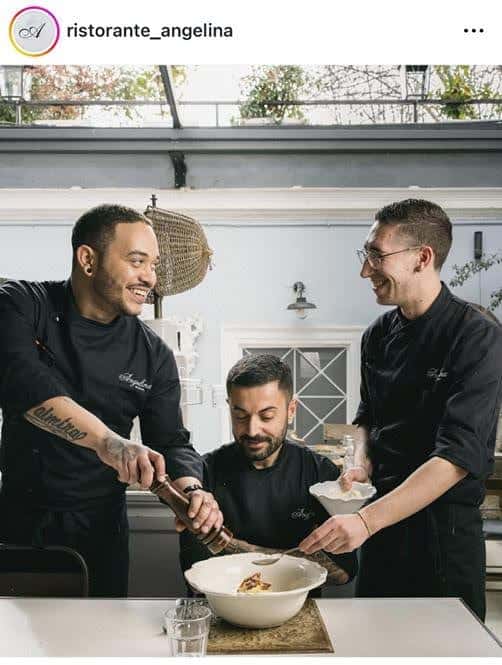
Ristorante – The more formal and often pricier option. Expect a wide menu, waiters in white shirts, and a more elegant atmosphere. Ideal for a proper sit-down dinner.
Trattoria – A simpler, family-run spot. Usually operated by a Roman family with recipes passed down through generations. Less about fancy décor, more about honest, home-style cooking. Think: mom in the kitchen, son serving tables.
Osteria – A small, traditional place with a limited menu. Often a hidden gem, serving simple dishes with authentic local character. Historically, these were casual spots offering food and sometimes lodging.
Pizzeria – There are two main types: al taglio (pizza by the slice, sold by weight – perfect for lunch), or a sit-down pizzeria serving whole pizzas in the evening. A true pizzeria focuses on pizza, sometimes offering just a few starters or simple pasta dishes alongside.
Tavola Calda – Think Italian cafeteria: ready-made dishes served from trays. Great for a quick, affordable meal, especially during lunch breaks.
Gelateria – A little tip: high-quality gelato is never neon-colored. If you see bright green pistachio or glowing yellow banana – walk away.
With all this variety, it’s important to remember: not everything that looks good on a photo menu is actually worth your time (or your euros). Rome is full of incredible places to eat – but also plenty that cater mainly to tired, hungry tourists. So how do you avoid the traps?
Tourist Traps - How to Avoid Them?
But before we save your trip (yes, really), let’s understand what a “tourist-oriented restaurant” actually means – especially if you’re searching where to eat in Rome.
In Rome, there are plenty of places designed mainly for tourists. That doesn’t necessarily mean they’re terrible (depends who you ask), but they do operate differently. Instead of focusing on traditional Roman cuisine, they aim to give visitors exactly what they expect: easy-to-read menus, familiar dishes, fast service, and all-day opening hours. Think of it as a kind of culinary “production line” tailored for people spending just a few days in the city who want to check off an Italian meal.
So how do you avoid these places and actually find where to eat in Rome like a local? Here are the signs to watch out for:
Photo menus in 10 different languages – a major red flag. Italians read and speak Italian, so places that immediately cater to multiple languages are often targeting tourists.
Hosts pulling you inside – good restaurants don’t need to convince you. If someone is actively trying to lure you in, that’s usually not a great sign.
“Menu Turistico” deals – fixed menus offering pasta, pizza, and a drink for €10 might sound tempting, but they’re rarely high quality. Italian cuisine is built around care, timing, and respect for each dish – cheap combo deals usually don’t reflect that.
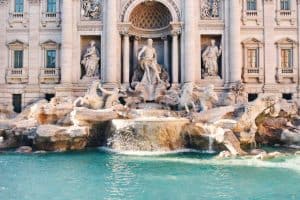
Restaurants in the busiest tourist hotspots (like Piazza Navona or near the Trevi Fountain) – the view is great, but the food often isn’t. These places rely on location, charging high prices for average meals tailored to tourist expectations.
The good news? Sometimes all it takes is walking just two streets away from a major attraction. Prices drop, quality improves, and you’ll hear far less English around you – always a good sign when discovering authentic restaurants in Rome and truly understanding where to eat in Rome.
So, how do you spot a genuine Italian Restaurant in Rome?
It’s not complicated – you just need to pay attention to a few small details. First, check the menu: if it features five or six classic pasta dishes, like Carbonara, Amatriciana, Cacio e Pepe, and Gricia, you’re in the right place. If the menu looks like a phone book with dozens of dishes from around the world (including “Fettuccine Alfredo” or “Hawaiian Pizza”), you’re probably somewhere you shouldn’t be. Another good sign? No colorful pictures of dishes on the menu – in Italy, that’s unnecessary, everyone knows what pasta looks like.
Also, take a look around: if you mostly hear Italian at the tables nearby – excellent. If it’s just tourists in sneakers taking selfies, you might want to keep looking. Pay attention to the waitstaff too – in authentic restaurants, they don’t stand outside trying to lure people in; they’re busy serving the guests already inside.
What about opening hours? Italians eat at very specific times. Real restaurants will close between 3 PM and 7 PM to prepare for dinner. If you find a place open continuously from 11 AM until midnight, it’s usually tailored for tourists.
A few more subtle hints: bread served automatically, simple local wine, classic desserts like tiramisu or panna cotta – not an “American-style” chocolate cake. The decor can be misleading too: a small restaurant with crowded tables and paper tablecloths isn’t inferior; in fact, it’s often far more authentic. Forget the red-and-white checkered tablecloths – those belong in movies and romantic series, not real Roman dining.
Food in Rome - Must-Try Dishes from the Roman Cuisine
In Rome, food is simple, yet full of bold, unforgettable flavors. Roman cuisine is built on fresh, high-quality ingredients, recipes passed down through generations, and a deep respect for tradition.
The city’s pride is its classic pasta dishes. Ask any Roman about their favorite pasta, and three out of four will say Carbonara – a dish made with egg yolk, Pecorino Romano cheese, and guanciale, a rich, flavorful cut of pork. Another favorite is Cacio e Pepe, made simply with Pecorino cheese and black pepper -remarkably simple yet incredibly delicious.
Other iconic Roman pasta dishes include Amatriciana, featuring a tomato-based sauce with guanciale, and Gricia, which combines Pecorino cheese with guanciale. Another gem is Spaghetti Aglio e Olio, a dish made with olive oil, garlic, and a touch of red chili pepper (peperoncino) – pure, effortless perfection.
These dishes capture the heart of Roman cuisine: simplicity, quality, and incredible taste.
Alongside the pasta, you’ll find local specialties like Supplì – fried rice balls in a tomato sauce, filled with melted mozzarella, Carciofo alla Giudia – artichokes fried in the traditional Jewish-Roman style, and of course Pizza al Taglio, rectangular pizza sold by weight.
No meal in Rome is complete without authentic gelato, made fresh every morning, and Tiramisu that tastes like it came straight from a real Italian grandmother’s kitchen.
Romans are deeply connected to the seasons, and it shows on their plates. In spring and autumn, you’ll find plenty of dishes featuring fresh artichokes, green asparagus, and peas. During the summer, tomatoes, zucchini, and basil dominate -making the pastas lighter and the salads fresher. In the fall, menus highlight wild mushrooms, pumpkin, and chestnuts, while winter brings hearty stews like Coda alla Vaccinara (slow-cooked oxtail) and rich legume soups.
This means that even if you visit the same restaurant in Rome twice, the menu may look different – part of the charm of the local cuisine.
Coperto and Tips - How It Works in Rome
In restaurants in Rome, you’ll almost always notice a line on the bill called Coperto – a fixed cover charge that covers bread, cutlery, and basic service. It usually ranges from €1 to €3 per person and is completely standard. What does this mean for you? You don’t need to leave a large tip at the end of the meal. If you really enjoyed the service, leaving 5-10% of the bill is customary, but it’s certainly not mandatory like in the U.S. or other countries. Often, simply rounding up the total is enough.
Food in Rome is more than what’s on the plate – it’s a glimpse into the heart of Italian culture. Whether you’re sitting down in a small family-run trattoria, waiting in line for pizza al taglio, or enjoying a long dinner with wine, it’s all an essential part of the city’s experience. Knowing where to eat (and where not to) will save you disappointment and open up a world of authentic flavors. So go ahead – taste, try, and explore – because in Rome, as the locals say, la vita è bella – life is beautiful, especially when there’s a plate of good pasta in front of you. With love, Romio Team 🧡